In the last 18 months, three of Europe's Save Now, Buy Later startups have quietly died.
Austria's Monkee — the best known of them — filed for insolvency in August 2025 and wound up for good by November, despite 300,000+ users, partnerships with Visa and a retail bank, and several funding rounds. The UK's SparaPay liquidated. Germany's Savrr disappeared.
The easy conclusion is that consumers simply don't want to save before they buy. I think that's the wrong lesson, and an expensive one.
1. Demand was real. The economics were not.
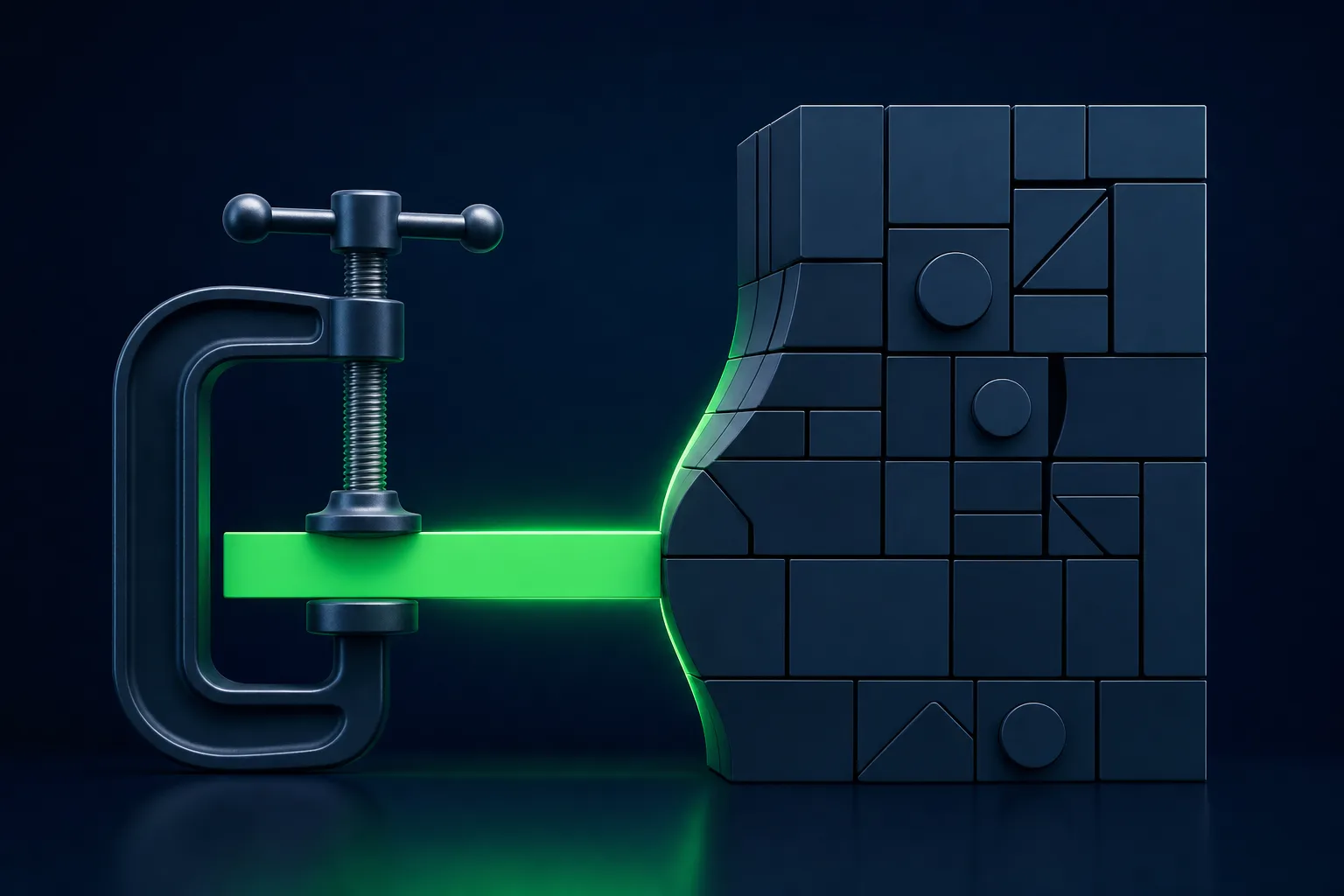
Monkee had 300,000 users. The demand was real. According to Austrian press reporting and the country's creditor-protection association, it didn't die for lack of users — it died because the commissions it earned never covered the cost of running the business. That's a unit-economics failure, not a demand failure.
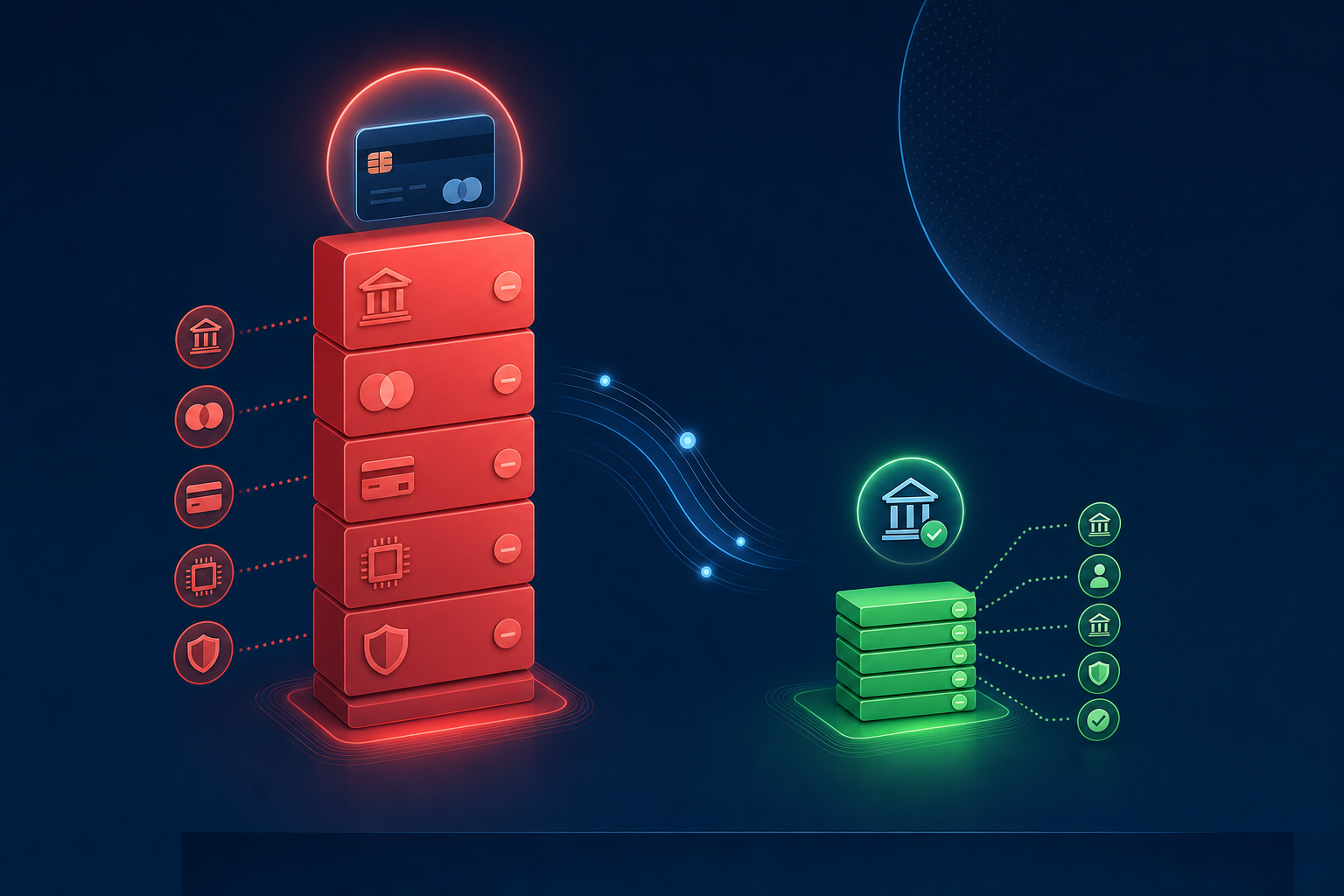
And the single biggest line in those broken economics is one most people never look at: the payment rail.
3. Where SNBL actually works
Four conditions make the economics close:
- Embedded, not standalone. Don't spend marketing money acquiring savers one at a time. Put it at the checkout of merchants who already have the customer. The dead startups carried a whole company's cost base to earn thin commissions; the maths never had a chance.
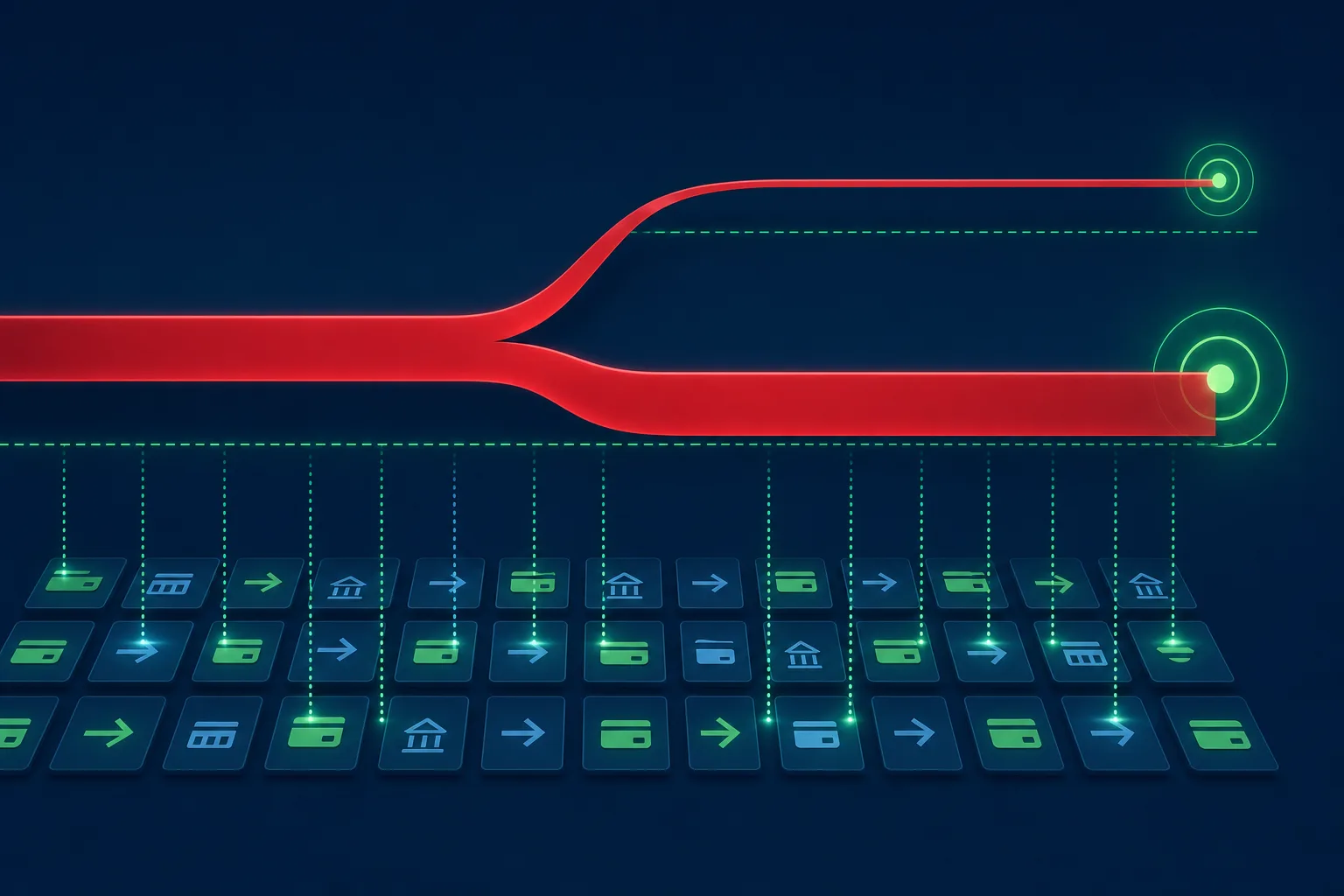
- On account-to-account rails, not cards. Open banking — and increasingly variable and dynamic recurring payments — collects for cents, with no interchange, no scheme fees, and no chargebacks. This one change makes the economics viable.
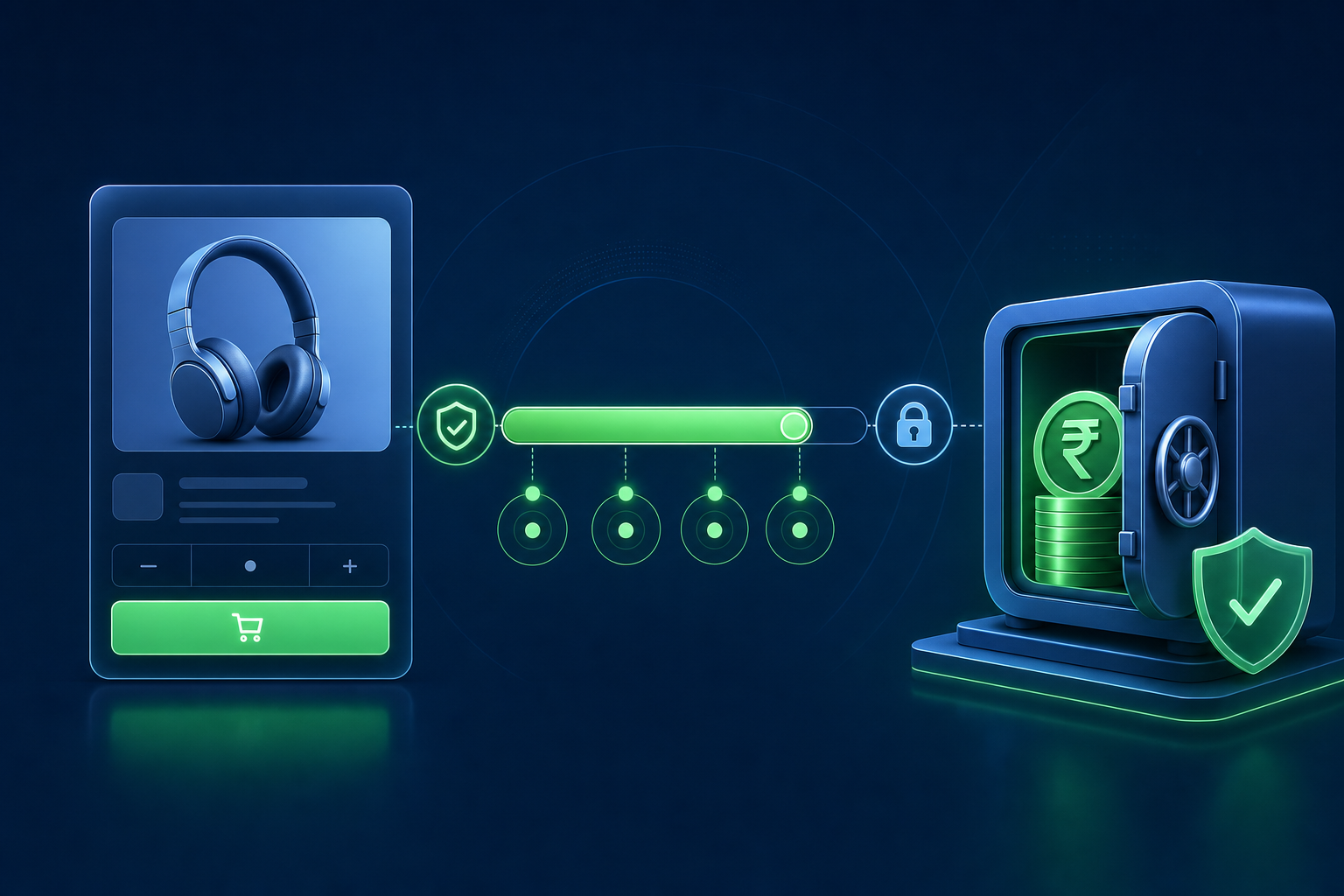
- With funds safeguarded by a licensed platform, not the merchant. The shopper's money should sit as protected client money until the purchase completes — so a merchant going bust never touches a shopper's savings, and refunds are always clean. The moment the money sits with the merchant, you've recreated the prepayment problem regulators worry about.
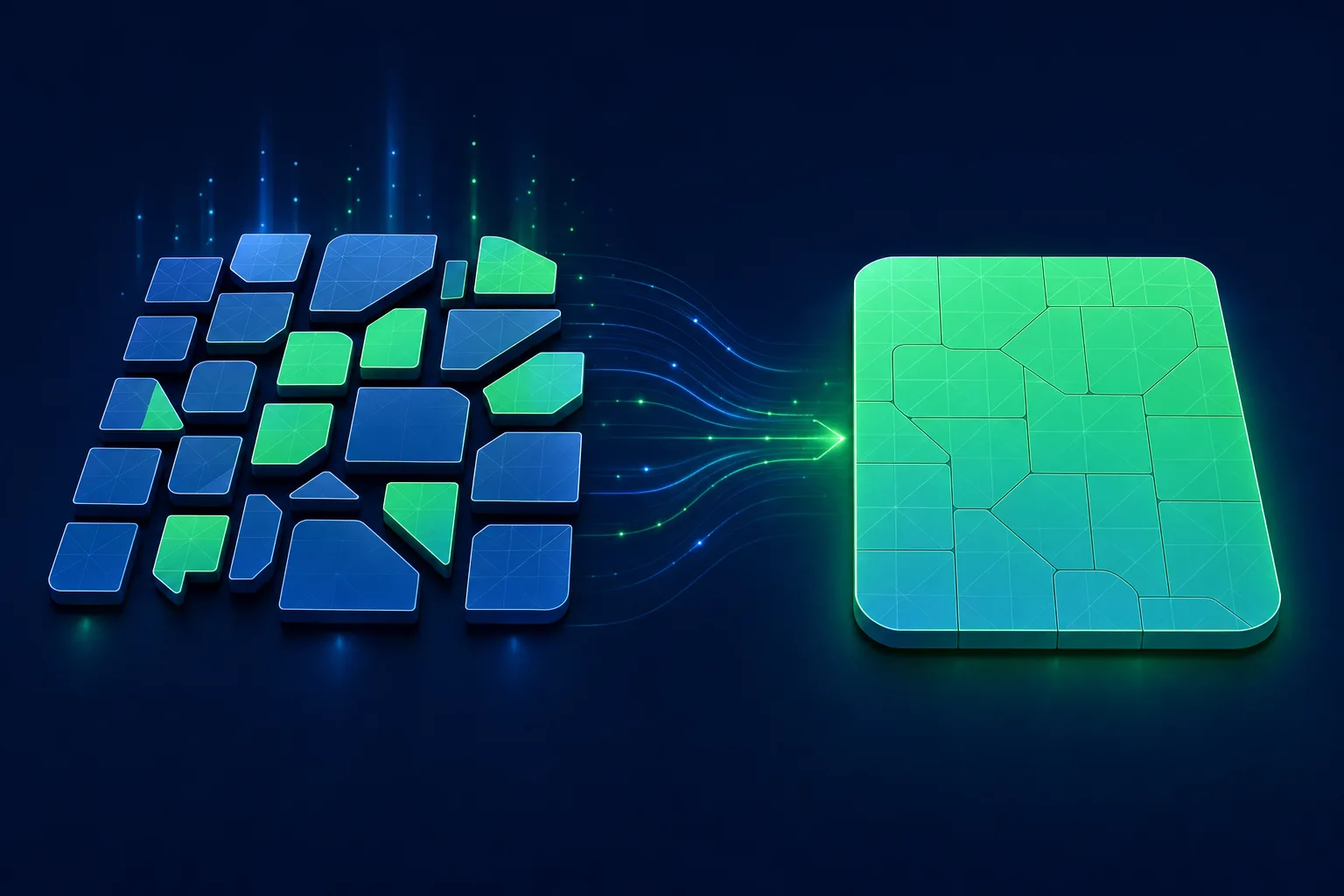
- Built by infrastructure that already owns the rails. If the licence, the accounts, the merchant base and the settlement already exist, SNBL becomes a low-cost feature — not a company that has to win the world just to survive.
That last point is the one the dead startups never had.
4. The version worth building
It's the combination we're looking at building at Cost+: our orchestration, BaaS partnerships and merchant network on one side, and account-to-account rails — the kind being rolled out across Europe by open banking providers — on the other. SNBL as a safeguarded, embedded, A2A-native checkout option, riding infrastructure that's already paid for.
With BNPL moving fully into FCA regulation in July 2026 and CCD2 bringing it into the EU credit framework that November, the credit-free alternative is about to look a lot more attractive. Merchants will carry licensing costs, affordability checks, and capital requirements for credit products. SNBL — done properly — carries none of that.
The idea was never the problem. The plumbing was.
5. What the market actually told us
The deaths of Monkee, SparaPay and Savrr weren't a referendum on Save Now, Buy Later. They were a lesson in unit economics and infrastructure.
If you charge cards five times to collect €2,000 in savings, then refund three of those charges when the customer changes their mind, you've already lost more in processing fees than most SNBL commissions will ever cover. Do that at scale, on a standalone cost base, and you're building a machine that turns venture capital into interchange.
Build the same product on A2A rails, embedded at checkout, with safeguarded funds and infrastructure you already own? Now the maths look very different.
If you're a merchant losing the "I'll think about it" customer to BNPL — or you've watched the SNBL space and written it off — we'd like to hear your take. Is the credit-free version of "buy later" worth building properly, or did the market already vote? Get in touch or explore how transparent payment infrastructure changes what's possible with our fee calculator.